
Hydrogen for Transport & Electrification at UTM-IST
The Hydrogen for Transport & Electrification facility at the Institute for Sustainable Transport (UTM IST) brings hydrogen and electric vehicle technologies together around one objective: reducing carbon emissions from road transport. Its work spans hydrogen combustion engines and retrofits, fuel cell electric vehicles, battery-electric vehicles, and hybrid powertrains. By examining options for existing fleets alongside technologies for zero-tailpipe-emission mobility, the facility supports practical routes toward cleaner trucks, buses, prime movers, and passenger vehicles.
Four Routes to Cleaner Mobility
H2ICE: Hydrogen Combustion
Hydrogen internal combustion engines and hydrogen-diesel retrofits offer a route to lower-carbon operation for existing trucks, buses, and prime movers.
FCEV: Fuel Cell Electric
Onboard fuel cell stacks turn hydrogen into electricity, providing zero-tailpipe-emission power for fleets that need long-range capability.
Pure EV & Hybrid Powertrains
Battery-electric vehicles and charging systems enable zero-tailpipe-emission travel, while hybrids reduce fuel use and emissions during the transition.
Decarbonizing Heavy Vehicles with Hydrogen Combustion
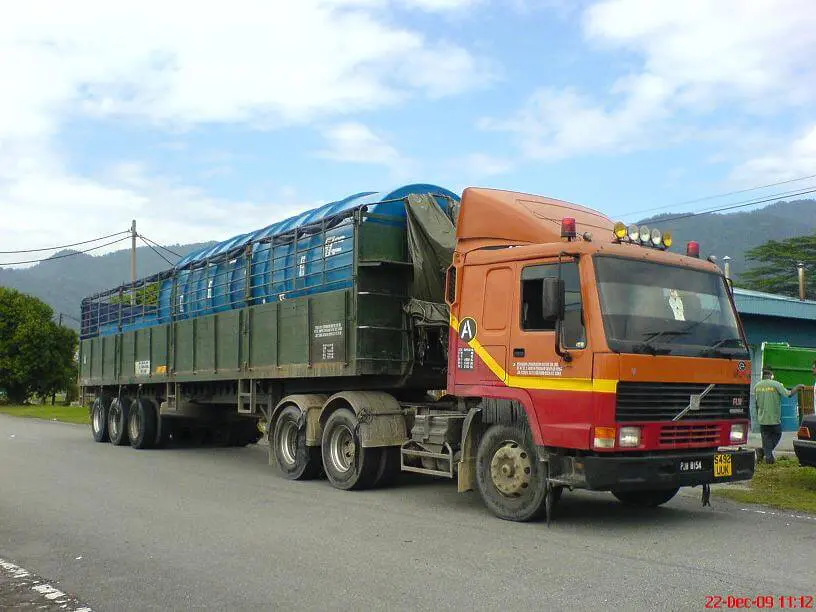
Hydrogen internal combustion engines (H2ICE) offer a practical route to lower-carbon operation for trucks, buses and prime movers that depend on combustion-engine performance. At UTM IST, this pathway examines both purpose-built hydrogen engines and hydrogen-diesel retrofits that can extend the useful life of existing vehicles. By replacing some or all diesel fuel with hydrogen, these approaches can reduce carbon emissions while retaining familiar vehicle platforms and operating practices. Research into fuel delivery, engine calibration, performance and emissions helps identify where hydrogen combustion can make the greatest impact across demanding transport duties.
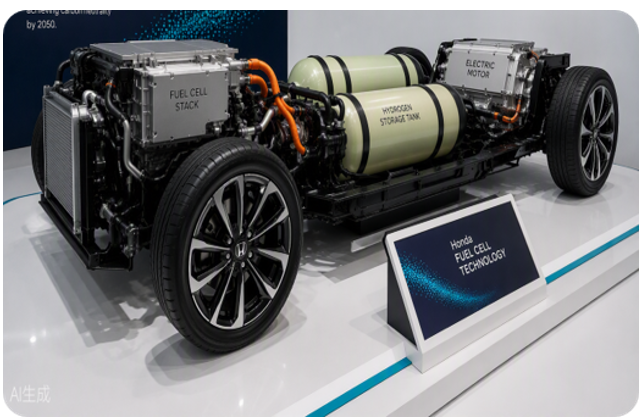
Onboard Hydrogen, Electric Power for Long-Range Fleets
Fuel cell electric vehicles (FCEVs) generate electricity as they travel. An onboard fuel-cell stack combines stored hydrogen with oxygen from the air, powering an electric motor while producing water as the primary point-of-use by-product.
For fleets covering long distances or working intensive schedules, hydrogen storage and refuelling offer an alternative to relying solely on large batteries. FCEV research at UTM IST considers how stack performance, onboard storage and electric drivetrains work together under real transport demands.
From buses to freight vehicles, the goal is zero tailpipe carbon emissions without sacrificing the range and availability operators need. Evaluating efficiency, durability and refuelling requirements helps turn fuel-cell potential into practical fleet deployment.
Pure EV Research
Advancing Zero-Tailpipe-Emission Mobility
Battery-Electric Vehicles
Explore electric vehicle platforms that replace combustion power with efficient battery-driven propulsion.
Battery Performance
Assess energy capacity, efficiency and operating demands to support dependable electric journeys.
Electric Drivetrains
Study motors and power electronics that translate stored energy into responsive, efficient motion.
Charging Systems
Examine charging equipment and approaches that keep electric vehicles ready for daily use.
Charging Infrastructure
Consider charger placement and network needs for practical electric mobility at scale.
Fleet Electrification
Identify suitable routes and duty cycles for replacing conventional fleet vehicles with pure EVs.
Energy Management
Investigate how vehicles and charging schedules can use electricity more efficiently.
Zero-Emission Mobility
Advance transport solutions that eliminate tailpipe emissions and support sector-wide carbon reduction.
Four Pathways, One Carbon-Reduction Goal
UTM IST explores hydrogen and electrification technologies to reduce carbon emissions across road transport.
Advance Cleaner Transport Together
Researchers, industry partners and transport stakeholders: connect with UTM IST to explore collaboration on hydrogen and electrification for lower-carbon road transport.

