by Ir. Ts. Dr. Nordiana Mashros
Edited by Muhammad Arif Harun
Every day, millions of Malaysians take to the road. We drive to work, send our children to school, run errands and return home after a long day. These journeys often feel routine, shaped by familiar toll plazas, traffic congestion and the ever-present possibility of rain. Yet behind these everyday experiences, something largely invisible is quietly reshaping how we drive. That force is data.
Data now plays a central role in Malaysia’s transport system. It influences how fast we travel, how long we wait at tolls, how safe we feel on wet roads and how we plan our journeys. From smart tolling technologies to weather monitoring systems, data is no longer operating quietly in the background. It is actively shaping the way Malaysians experience the road.
 How Smart Data Is Transforming Malaysia’s Roads
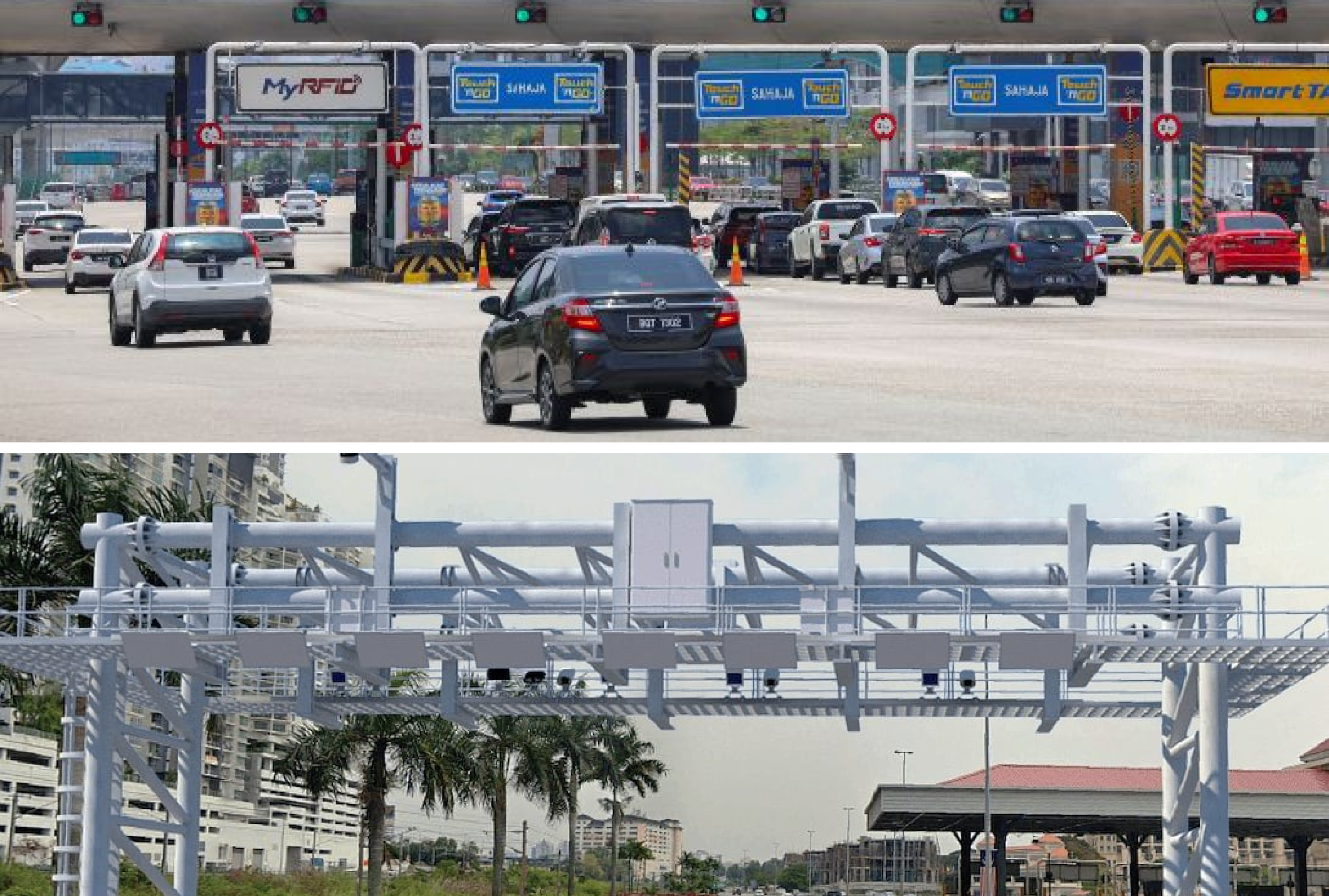
One of the most visible changes driven by data is taking place at toll plazas. For decades, stopping at a toll booth has been part of the Malaysian driving routine. Drivers slow down, tap a card, wait for the barrier to lift and then move on. This familiar pattern is now set to change.
Beginning in October 2025, Malaysia will pilot a barrier-free tolling system using Automatic Number Plate Recognition technology on a section of the North–South Expressway. Cameras installed on overhead gantries will read vehicle number plates and charge tolls automatically. Registered vehicles will be able to pass through without stopping or tapping cards with payments processed digitally in real time.
This shift is not just about convenience. It responds to increasing pressure on Malaysia’s highways particularly during festive periods when traffic volumes rise sharply. On peak days, more than two million vehicles may use the North–South Expressway. Removing physical barriers allows traffic to flow more smoothly, reduces congestion, cuts fuel consumption caused by stop-start driving and lowers vehicle emissions.
Similar systems have proven effective elsewhere. Singapore’s electronic road pricing and Taiwan’s fully electronic toll collection have reduced travel times and improved traffic management. Malaysia’s move towards a Multi Lane Free Flow system draws on these experiences using smart data to manage road use more efficiently.
Beyond toll collection, the data generated can support better road maintenance, faster incident response and more informed transport planning. However, the success of this transition depends on public readiness. Drivers must register their vehicles, understand how digital payment systems work and trust that their data is handled securely. Clear communication, reliable technical support and strong cyber-security measures will be essential to maintain public confidence.
Weather Data from Public InfoBanjir
How Weather Data Shapes Our Daily Journey
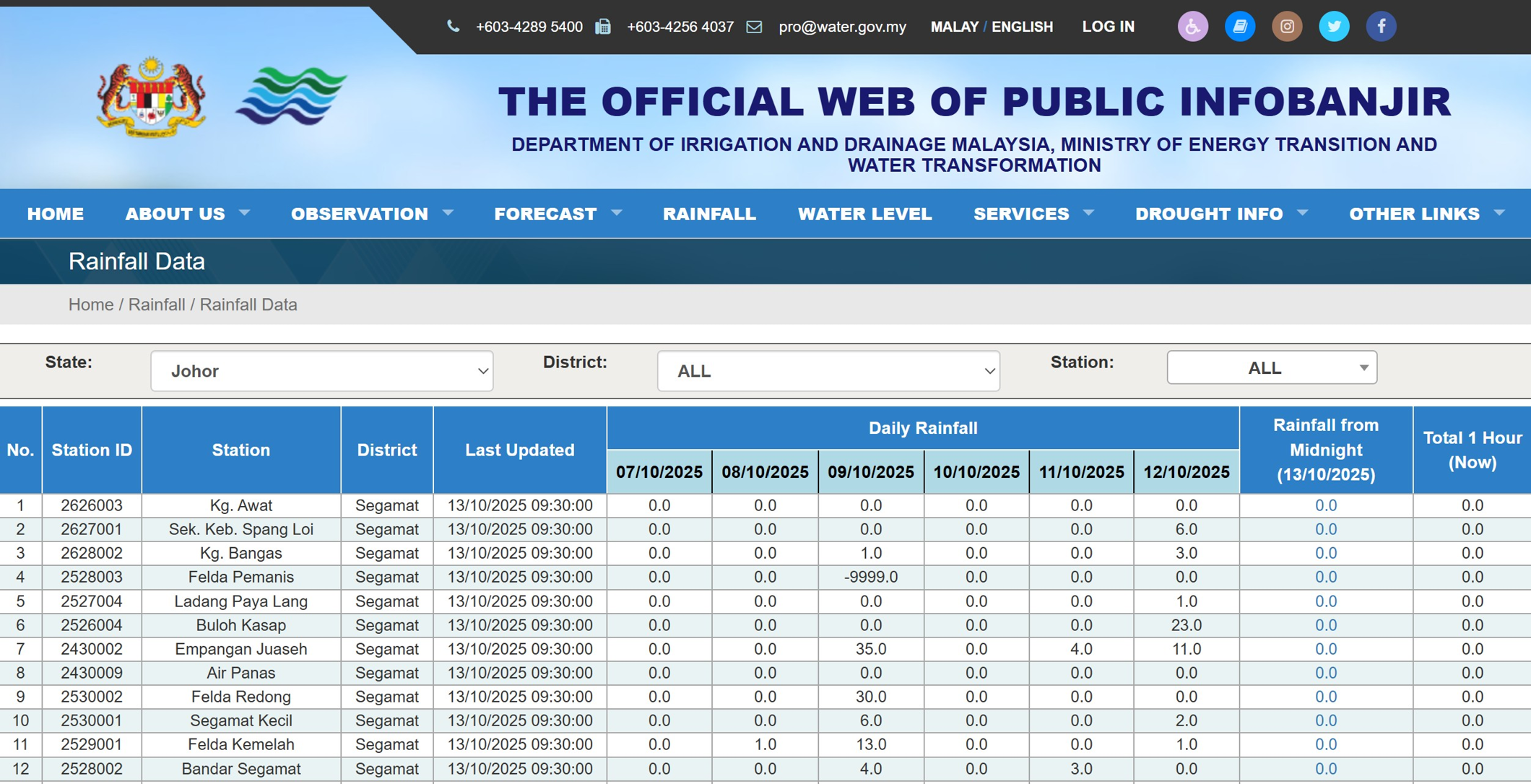
While smart systems are transforming toll plazas, another important source of data comes from nature itself. In Malaysia, rain is part of daily life. It cools the air, sustains agriculture and at times disrupts our journeys. Most drivers instinctively understand how rain affects driving behaviour. We slow down, increase following distance and drive more cautiously.
Research shows that these responses have a measurable impact on road performance. Under certain conditions, moderate to heavy rainfall can reduce average driving speeds by up to around forty per cent depending on road characteristics, traffic demand and visibility. While lower speeds may improve safety, they also lengthen travel times and increase the likelihood of congestion. Individual decisions quickly combine to affect the performance of the entire road network.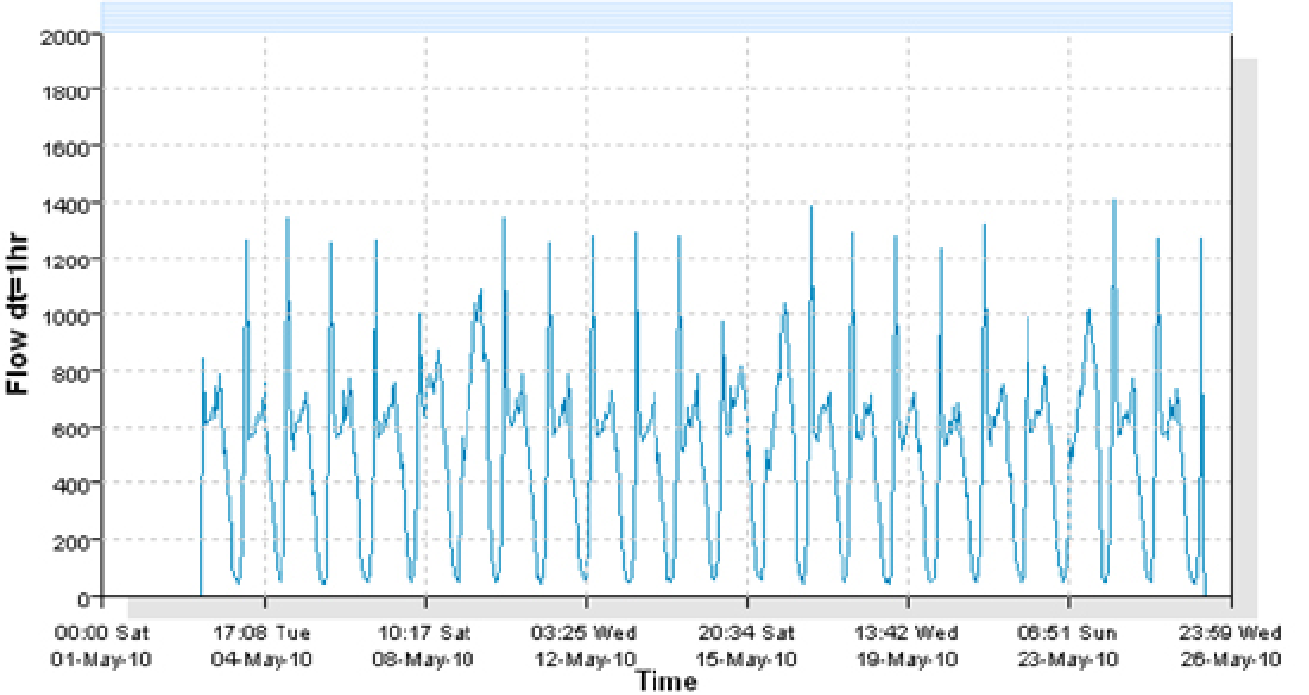
By analysing weather data alongside traffic data, transport planners can better understand these patterns. Many major roads now rely on sensors that monitor rainfall, vehicle speed and traffic flow. When combined, these data sources can help anticipate congestion, warn drivers of hazardous conditions and reduce accident risks through timely alerts and traffic management measures.
The value of weather data extends beyond highways. In urban areas, rainfall information can guide improved drainage design, safer pedestrian routes and more responsive public transport scheduling. In residential neighbourhoods, it can help identify flood-prone or slippery locations that require attention. In each case, data transforms everyday experiences into insights that improve safety and comfort.
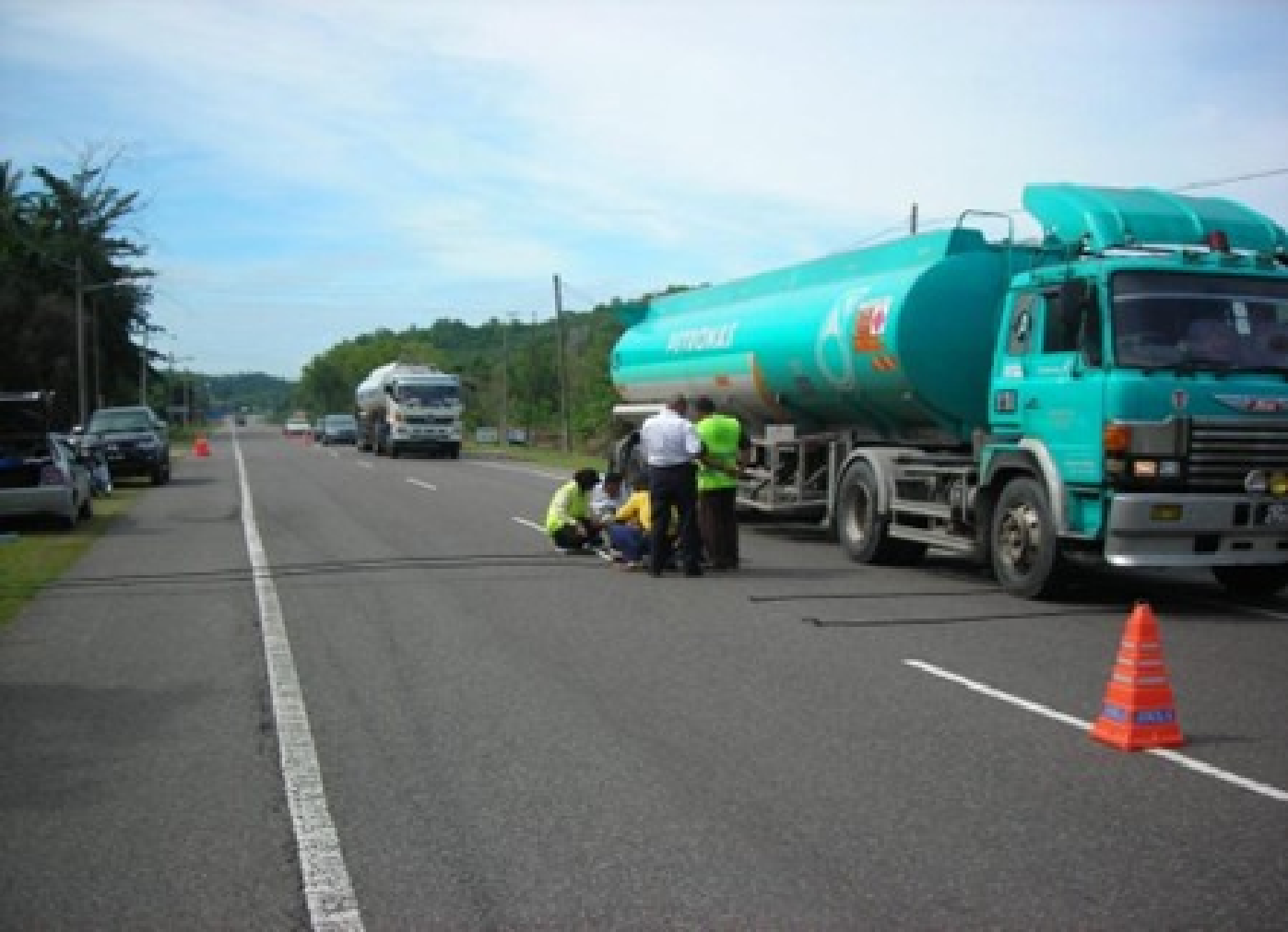
Road condition may affect the traffic flow.
Every data point represents a driver adjusting speed in the rain, a family delayed by holiday traffic or a commuter enjoying a smoother journey through a barrier-free toll. As climate change brings more unpredictable weather and traffic volumes continue to grow, data will play an increasingly important role in transport planning.
When data meets the road, it does more than manage traffic. It helps create journeys that are safer, smoother and better aligned with the way Malaysians live and drive, whatever the weather.
Co-authors:
Assoc. Prof. Ir. Ts. Dr. Norhidayah Abdul Hassan