Muhamad Hairulnizam Ishak
Edited by Nadzreeq Nor Majid
Step outside at nine in the morning, and an aggressive, stifling heat hits you instantly. Sunscreen melts before you even reach your car, air conditioners struggle to keep indoor spaces cool, and monthly electricity bills across Malaysia continue to rise. What used to feel like pleasant morning air has transformed into an oppressive glare. On a recent episode of the UTM Green Code CS Podcast, hosted at the Nexus X FKE studio, Dr. Azlin binti Abdul Jamil opened a vital conversation on why our weather feels increasingly hostile and unpredictable.
Joining the dialogue were two leading researchers from Universiti Teknologi Malaysia: climate sustainability expert Prof. Dr. Zainura binti Zainul Noor and civil engineering disaster management specialist Dr. Kogila Vani Annadurai. Together, they unpacked a striking reality backed by scientific data: Peninsular Malaysia’s average temperature increases by 0.24°C every decade. This ongoing warming trend is not a minor fluctuation or a trick of perception; it marks a profound, measurable shift in our regional environment.
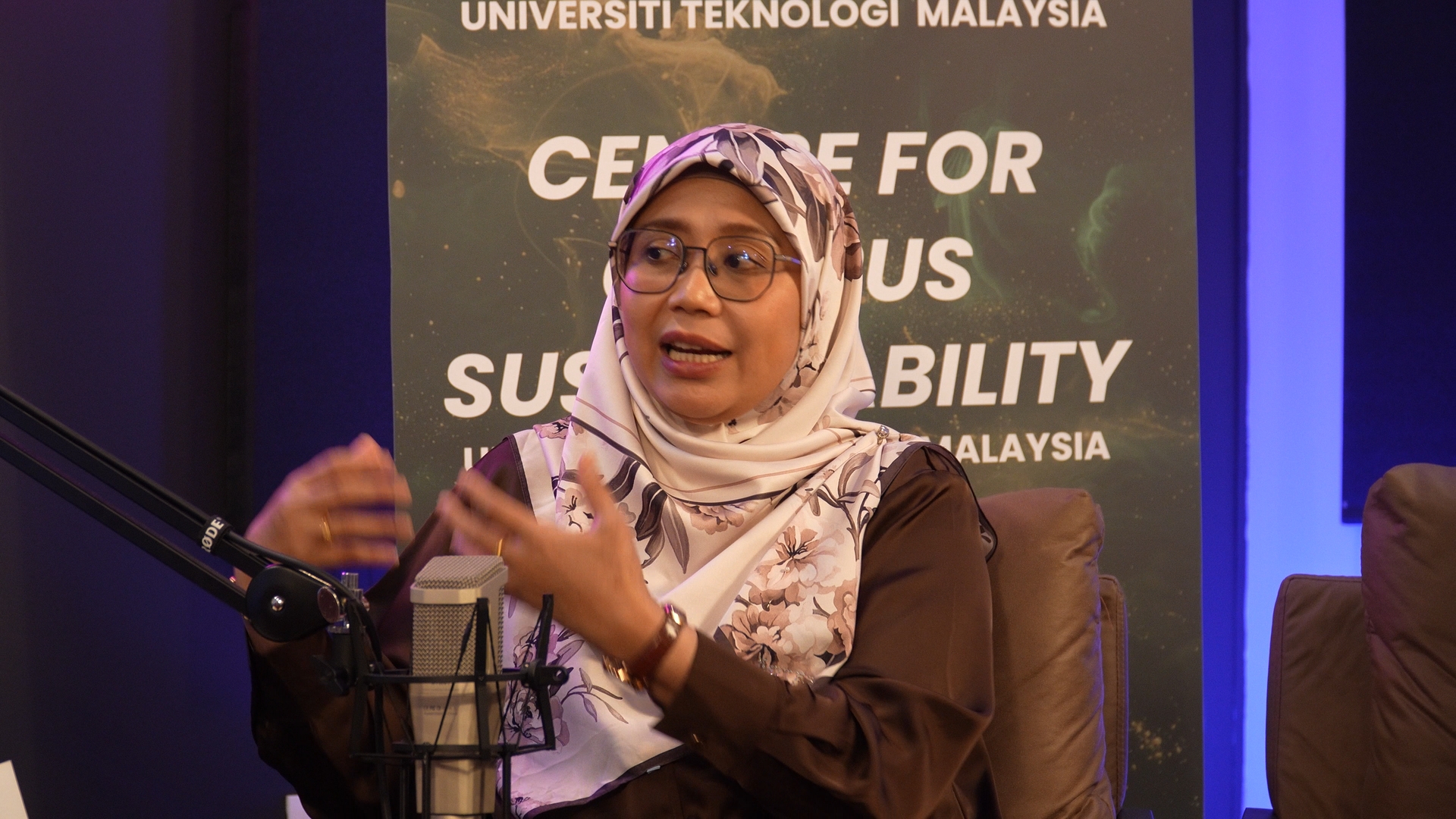
To make sense of these changes, Prof. Zainura stresses the importance of distinguishing between short-term weather and long-term climate. Weather describes the immediate atmospheric conditions we experience daily, such as an unexpected afternoon downpour following a clear morning. Climate, on the other hand, refers to overarching, predictable weather patterns measured over several decades, dictated by a region’s geographical location.
Many people mistakenly attribute rising atmospheric heat to the thinning ozone layer, but these represent two distinct environmental phenomena. The ozone layer acts as a high-altitude protective shield composed of ozone molecules ($O_3$) that filter out dangerous ultraviolet radiation known to cause skin cancer and plant damage. Thanks to global cooperation under the historic Montreal Protocol, damaging chlorofluorocarbons (CFCs) were banned worldwide, allowing the ozone layer to actively heal itself over time.
In contrast, the driving force behind modern climate change is the excessive accumulation of greenhouse gases in our atmosphere. To understand this mechanism, picture wrapping yourself in a cozy blanket on a chilly night to trap just enough body heat to remain comfortable. Naturally occurring atmospheric gases—such as carbon dioxide, methane, and water vapor—perform this exact function for Earth, keeping our planet warm enough to sustain human, animal, and plant life.
However, unrestrained human industrial activity continuously adds extra heavy comforters onto the planet, trapping far too much thermal energy against the surface. Instead of escaping safely back into space, solar heat remains locked beneath this thickening blanket of gas. As atmospheric carbon concentrations surge far beyond historical levels, our planet’s natural insulation transforms into a sweltering enclosure.
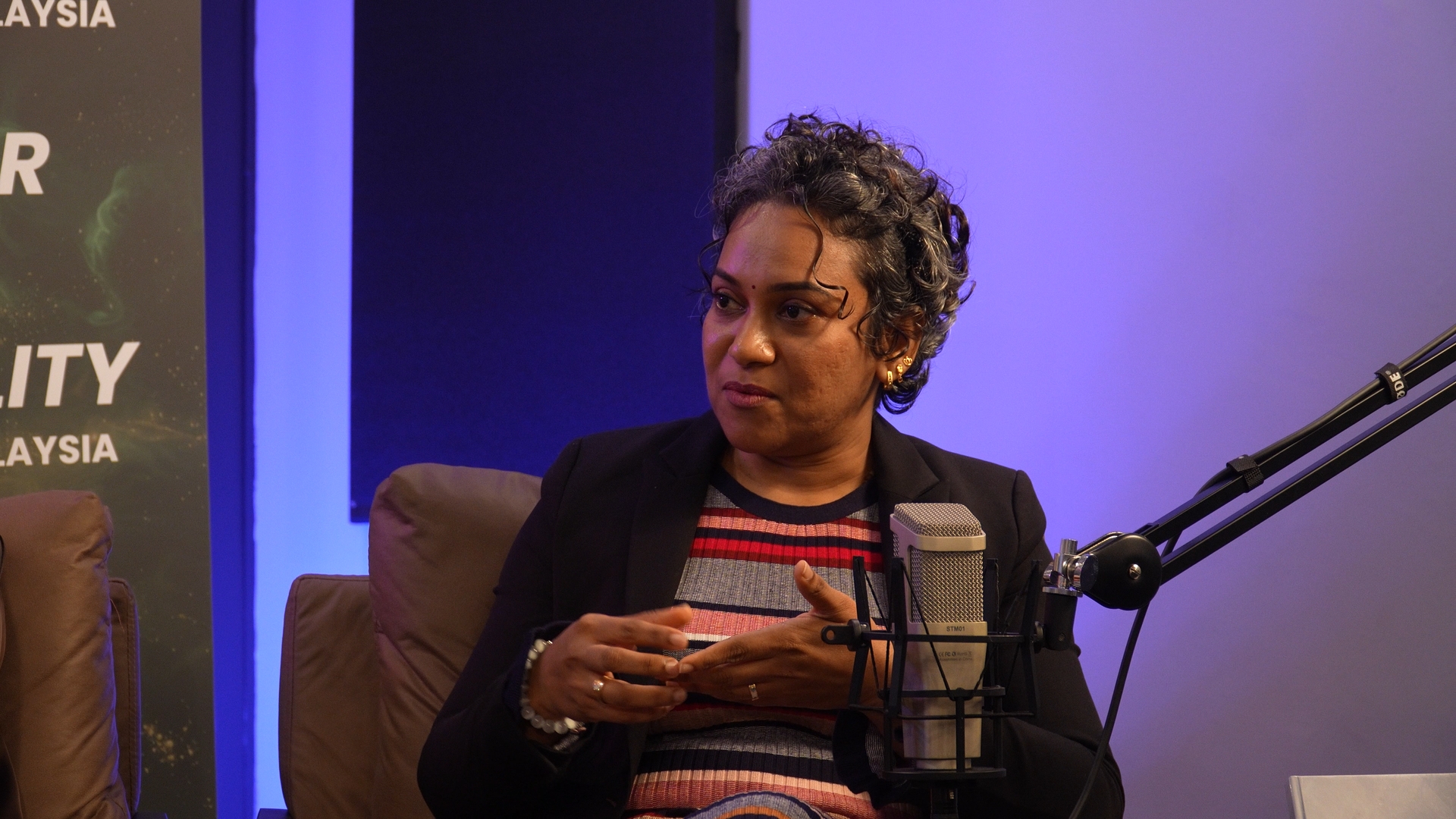
Dr. Vani highlights that historical geological records show Earth’s temperature previously took over a thousand years to rise by just one degree Celsius. Following the onset of industrialization, that same one-degree increase compressed into roughly a single century. Today, temperatures accelerate at an unprecedented rate, jumping by 0.1°C in a mere twenty to thirty years due to intensified human activity.
While a fraction of a degree might sound negligible to the average person, a simple fever analogy puts this rapid rise into sharp perspective. When a child’s baseline body temperature moves from 37°C to 38°C or 39°C, that single degree shift triggers severe physiological stress, illness, and potential convulsions. In the exact same way, a fractional rise in global temperature throws Earth’s complex ecological systems into a feverish, volatile tailspin.
This planetary fever accelerates evaporation rates and severely disrupts the global water cycle. Unprecedented heatwaves reaching upwards of 51°C trigger health emergencies abroad, while sudden moisture accumulation unleashes torrential downpours and devastating flash floods in unprepared regions at home. Extreme weather events are no longer distant warnings; they are immediate threats impacting public safety, urban infrastructure, and local economies.
Scientists now refer to our current epoch as the anthropocene era, characterized by human activities driving widespread environmental changes. Rapid urbanization, deforestation, and hill slope clearing alter natural wind patterns and river channels across municipal boundaries. Environmental degradation does not respect district borders; soil erosion, river sedimentation, and land clearings create cascading multi-hazard risks that ripple across entire watersheds.
Beyond physical landscape damage, climate instability alters biological habitats and expands the geographic range of dangerous disease vectors. Mosquitoes carrying dengue fever, once restricted primarily to tropical zones, may soon thrive in traditionally cooler regions like Europe or the Middle East as global temperatures rise. Furthermore, extreme heat directly triggers severe conditions like heat stroke, claiming the lives of outdoor workers, competitive athletes, and vulnerable children.

Tackling this complex crisis requires a dual strategy centered on mitigation and adaptation. Mitigation focuses on curbing greenhouse gas emissions right at the source through cleaner energy choices and reduced reliance on fossil fuels. Adaptation accepts that climate shifts are already underway, requiring communities to build flood resilience, protect coastal mangrove buffers, and adjust daily living habits.
Everyday citizens can drive immediate impact by targeting energy waste within their own homes. Powering down household appliances is a start, but unplugging unused devices eliminates hidden vampire draw—sometimes called “dracula consumption”—that silently drains electricity around the clock. Simple choices like switching to energy-efficient LED lighting, adopting solar energy, wearing lightweight breathable clothing, and carrying reusable water bottles collectively shrink personal carbon footprints.
Empowering communities through citizen science shifts society from passive vulnerability to active disaster preparedness. Educating children in schools instills lifelong conservation habits, encouraging them to challenge wasteful adult behaviors and advocate for clean environments. Families should assemble emergency readiness bags containing essential medications, key documents, and emergency contact lists to remain grab-and-go ready for sudden weather disasters.
On a broader scale, effective climate action demands a unified whole-of-government and whole-of-society approach. Malaysia’s upcoming Climate Change Bill (RUPIN) aims to establish legally binding frameworks to enforce strict environmental accountability across commercial sectors. Legislative policy, industrial responsibility, and grassroots community action must work in synergy to enforce meaningful environmental protection.
Ultimately, protecting our environment is a shared moral obligation rooted in stewardship and planetary health. What we choose to do today directly shapes the survival and quality of life for future generations. By replacing apathy with proactive habit shifts, we ensure that our children inherit a stable, healthy, and thriving world.